
How to Protect Your Kids from Social Media Addiction

Mental health experts, pediatric specialists, and government agencies increasingly warn about the effects social media addiction may have on children and teenagers. The United States Surgeon General has publicly raised concerns regarding excessive social media use and its connection to anxiety, depression, sleep disruption, low self-esteem, and self-harm among adolescents. Many social media platforms are […]
Workplace Rights Against Sexual Harassment

Employees have the right to work in an environment free from sexual harassment, intimidation, and retaliation. Sexual harassment claims are commonly governed by Title VII of the Civil Rights Act, EEOC regulations, and Louisiana employment discrimination laws. Harassment may include unwanted sexual advances, inappropriate touching, sexually explicit comments, coercion, hostile work environments, or retaliation after […]
Protecting Loved Ones in Nursing Homes

Choosing a nursing home or assisted living facility for a loved one is one of the most important decisions a family can make. Unfortunately, studies and government investigations continue to show that elder neglect and abuse remain widespread problems throughout the country. According to federal CMS data, many facilities continue to struggle with understaffing, preventable […]
Why 18 Wheeler Cases Are Different
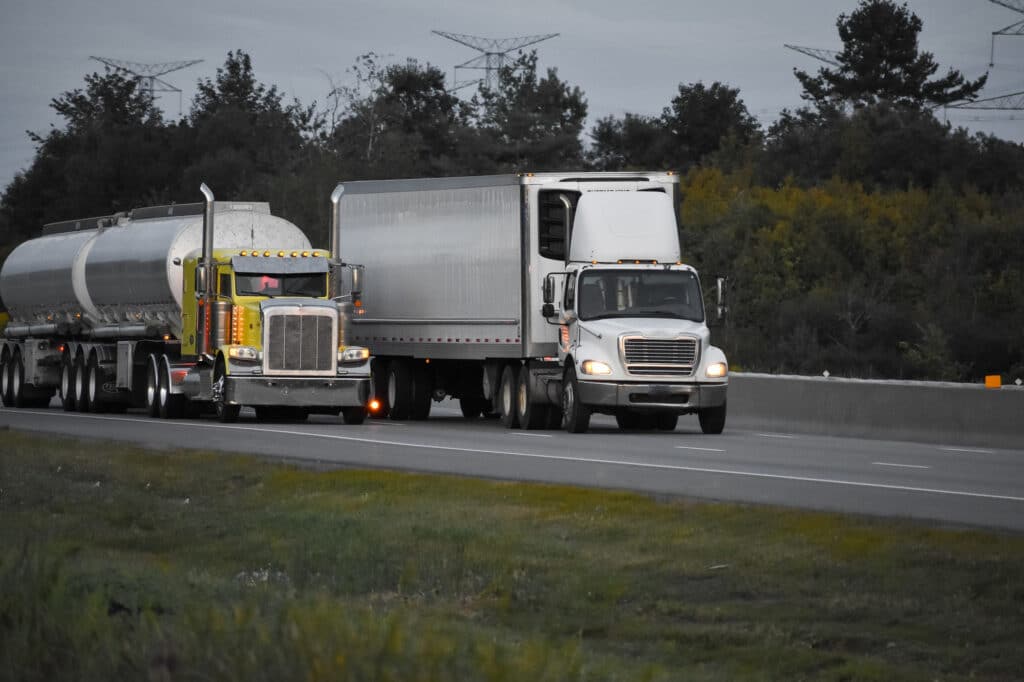
Cases involving commercial trucks and 18 wheelers are fundamentally different from ordinary automobile accident claims. Trucking companies are governed by extensive federal safety regulations enforced through the Federal Motor Carrier Safety Administration(FMCSA), including rules involving driver fatigue, hours-of-service compliance, maintenance, cargo securement, and inspection requirements. According to federal crash statistics, thousands of people are killed […]
Wrongful Death vs. Survival Action Under Louisiana Law
Louisiana law recognizes two separate claims following the death of a loved one: a wrongful death claim and a survival action. Although related, they compensate for different harms and belong to different parties. A survival action under Louisiana Civil Code article 2315.1 allows certain family members to recover damages the deceased person could have recovered […]
Monell Liability and Police Department Responsibility

Many people assume that a police department is automatically responsible whenever an officer violates someone’s constitutional rights. Federal law is far more complicated. Under the United States Supreme Court decision in Monell v. Department of Social Services, municipalities are generally liable only when the constitutional violation resulted from an official policy, widespread custom, failure to […]
What Constitutes Excessive Force?
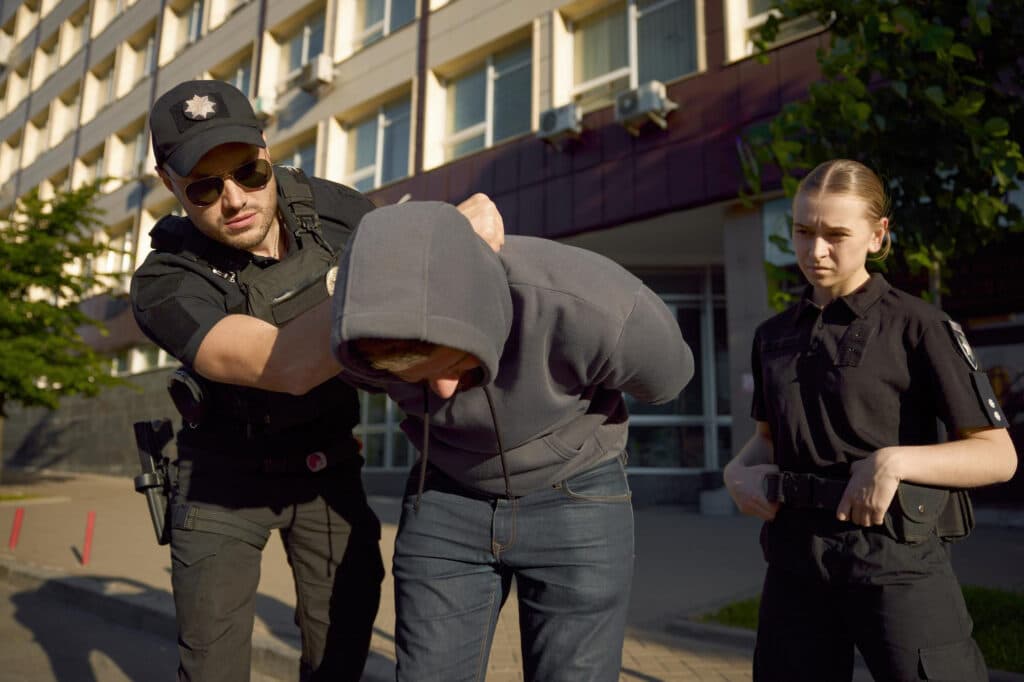
Excessive force claims arise under the Fourth Amendment and are commonly pursued through 42 U.S.C. §1983. The legal question is whether the officer’s actions were “objectively reasonable” under the circumstances. The United States Supreme Court in Graham v. Connor instructed courts to examine the severity of the alleged crime, whetherthe individual posed an immediate threat, […]
Church and School Liability in Sexual Abuse Cases

Under Louisiana law, churches, schools, youth organizations, and other institutions may beheld legally responsible for sexual abuse committed by employees, clergy members, teachers, coaches, or authority figures. In many cases, liability extends far beyond the individual abuser. Claims against institutions frequently involve negligent hiring, negligent supervision, negligent retention, failure to warn, and concealment of prior […]
Low Impact Collisions and Serious Injuries
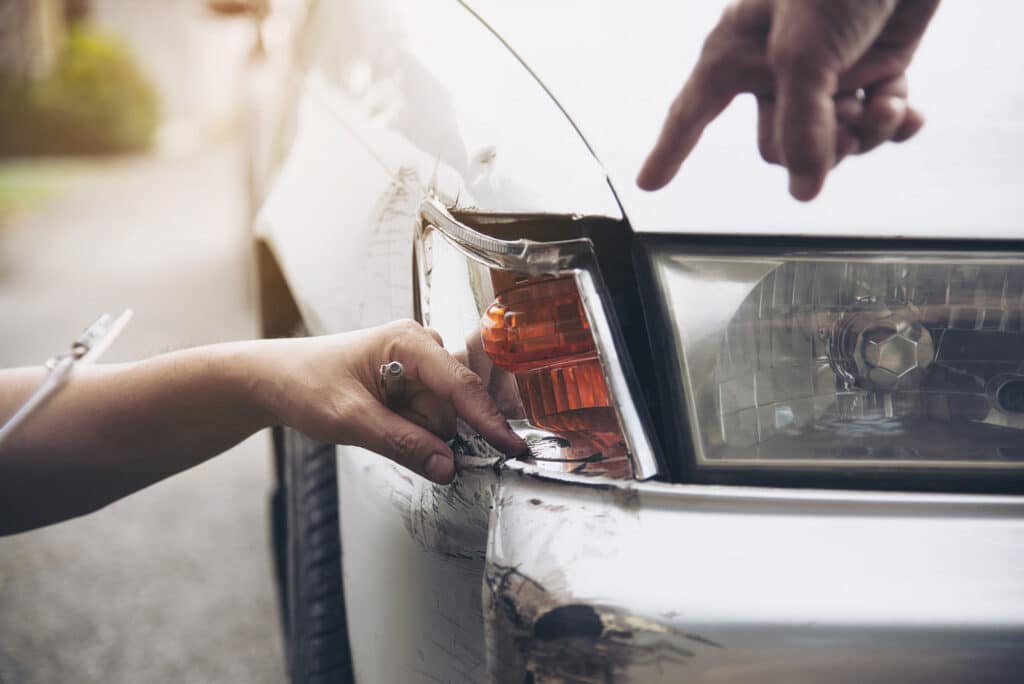
One of the most common tactics used by insurance companies in Louisiana automobile accident cases is arguing that “minimal vehicle damage equals minimal injury.” Louisiana law does not support that assumption. Serious neck injuries, disc herniations, traumatic brain injuries, nerve damage, and aggravation of preexisting conditions can occur even in low-speed or low-impact collisions. According […]
Camp Lejeune Contamination
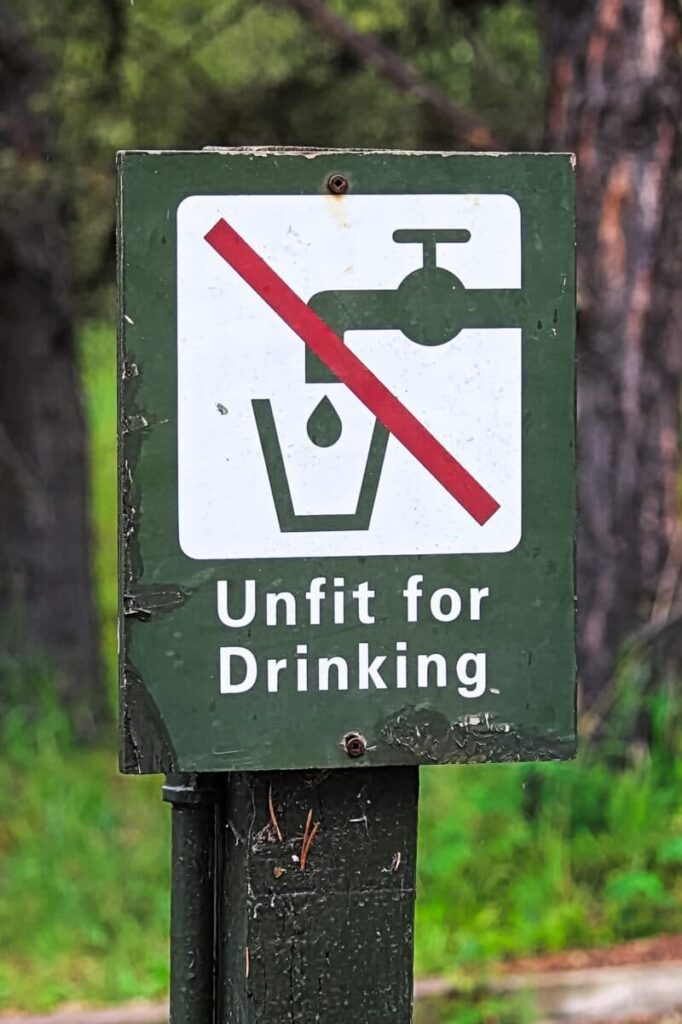
Camp Lejeune is a Marine base located in North Carolina that is been in use since 1942. From the 1950s to the 1980s, Camp Lejeune’s water supply was contaminated with two specific chemicals: Perchloroethylene (PCE) and Trichloroethylene (TCE). These chemicals are well-known to be extremely harmful to the human body and have been associated with […]