
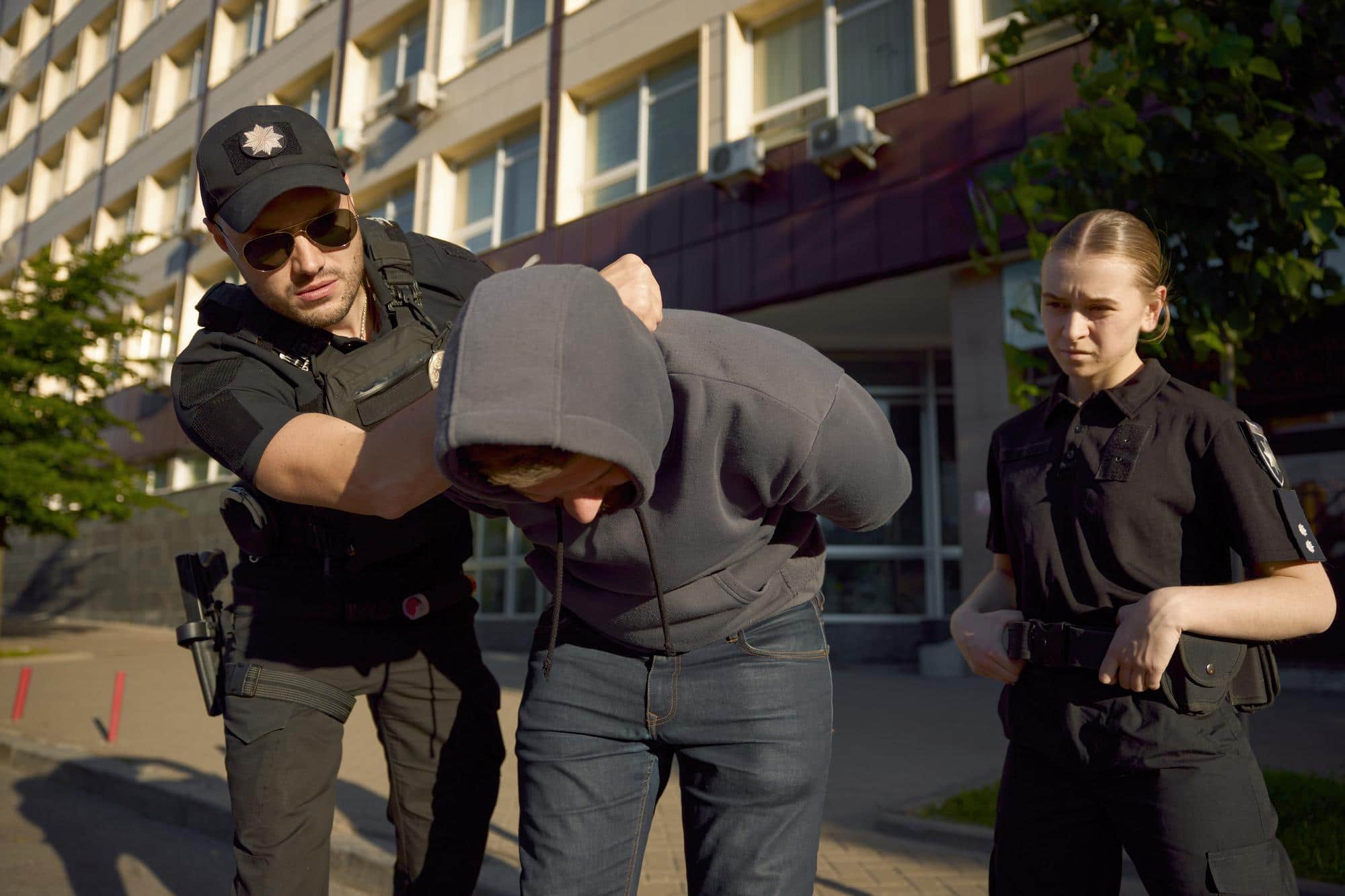
Excessive force claims arise under the Fourth Amendment and are commonly pursued through 42 U.S.C. §1983. The legal question is whether the officer’s actions were “objectively reasonable” under the circumstances. The United States Supreme Court in Graham v. Connor instructed courts to examine the severity of the alleged crime, whetherthe individual posed an immediate threat, and whether the person was actively resisting arrest.
Not every use of force is unlawful. Officers are permitted to use reasonable force to protect themselves and others. However, force may become unconstitutional when it is disproportionate to the threat presented. Cases involving shootings, tasers, chokeholds, baton strikes, or force against restrained individuals frequently require careful legal and factual analysis.
Body camera footage, dash camera video, witness testimony, dispatch communications, medical records, and departmental policies often become critical evidence. Louisiana plaintiffs may also pursue state law claims for assault, battery, and negligence depending on the facts of the case.
Police misconduct cases are aggressively defended and often involve qualified immunityissues that create substantial legal hurdles. Immediate preservation of evidence is critical.