
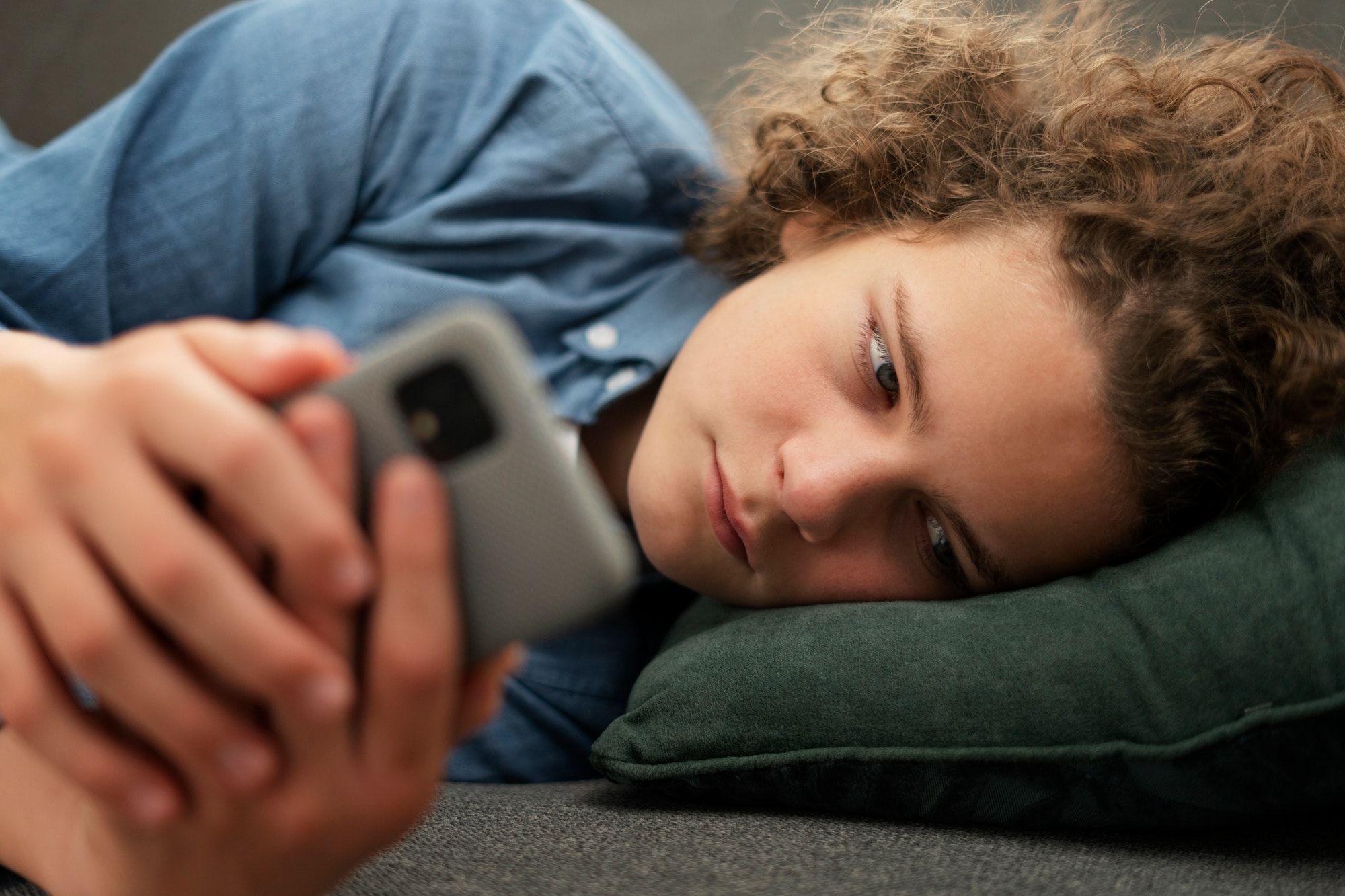
Researchers and mental health professionals continue to study how excessive social media use may affect brain development, emotional regulation, sleep patterns, and mental health—particularly in children and teenagers. Studies suggest that social media engagement may activate dopamine reward pathways in ways similar to other compulsive behaviors.
Excessive use has been associated with anxiety, depression, sleep deprivation, reduced attention span, low self-esteem, social comparison stress, and compulsive behavioral patterns. Adolescents may be especially vulnerable because critical portions of the brain involving impulse control and emotional regulation are still developing.
The United States Surgeon General and other public health authorities have warned about the potential risks of excessive social media exposure among young users. Sleep disruption alone can significantly affect academic performance, emotional stability, and overall mental health.
Parents should monitor online activity, encourage real-world interaction, establish healthy screen boundaries, and remain alert for signs of emotional withdrawal or behavioral change.
Understanding the science behind social media addiction is increasingly important for parents, educators, and policymakers alike.